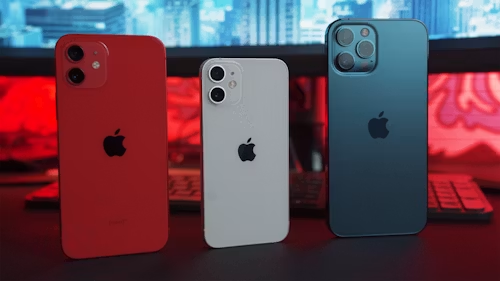
The iPhone 17 and iPhone 17 Pro share several key features, including a 6.3-inch 120Hz display and Always-On technology. While both models perform similarly during everyday tasks, the standard version offers high value with 256GB of base storage, making it a strong choice for the majority of users.
The iPhone 17 Pro caters to power users with a triple-lens camera system featuring 8x optical zoom and advanced vapor chamber cooling. Its increased RAM and specialized chip support intensive activities like professional video production and high-end gaming, justifying the higher price for those requiring sustained performance.
TechMuse Compares: iPhone 17 vs. iPhone 17 Pro — Which One Should You Actually Buy?
The $300 gap between the iPhone 17 and iPhone 17 Pro is the most common upgrade decision Apple buyers face every year. Here’s an honest breakdown of what that extra money actually gets you — and whether it’s worth it for how you actually use your phone.
The Core Differences
| iPhone 17 | iPhone 17 Pro | |
|---|---|---|
| Price | $799 | $1,099 |
| Chip | A19 | A19 Pro |
| RAM | 8GB | 12GB |
| Rear cameras | Dual 48MP | Triple 48MP (up to 8x optical zoom) |
| Cooling | Standard | Vapour chamber |
| Colours | Standard lineup | Exclusive Pro colour option |
Both phones share the same 6.3-inch display size, 120 Hz ProMotion refresh rate, Always-On Display, and outdoor peak brightness — so if display size and quality are your main concerns, you’re not giving anything up by choosing the standard model.
Where the Pro Actually Pulls Ahead
Camera versatility. This is the single biggest practical difference. The standard iPhone 17 gives you a capable dual-lens system — main and ultrawide — with genuinely improved low-light performance this generation. The Pro adds a third 48MP telephoto lens with up to 8x optical zoom, something the standard model simply can’t replicate through software. If you regularly photograph distant subjects, wildlife, sports, or anything where zoom matters, this is a real functional gap, not just a marketing distinction.
Sustained performance. The Pro’s new vapour chamber cooling system and extra RAM show up most clearly under heavy, sustained load — long gaming sessions, extended 4K or ProRes video recording, or heavy multitasking. For typical daily use — browsing, messaging, casual apps — both phones feel similarly fast. The gap widens specifically when you push the phone hard for extended periods.
Storage headroom. Video creators and heavy users benefit from the Pro’s higher RAM ceiling for smoother multitasking during demanding creative work.
Where the Standard Model Holds Its Own
Everyday use is genuinely comparable. For browsing, social media, messaging, casual photography, and typical app use, most people won’t notice a meaningful difference between the A19 and A19 Pro chips in daily life. The performance gap is real, but it’s concentrated in scenarios that only a subset of users regularly encounter.
256GB starting storage. The iPhone 17 now starts at 256GB rather than the smaller base storage of previous generations, closing a gap that used to be a bigger argument for the Pro.
$300 goes a long way elsewhere. That price difference could cover a year or more of AppleCare, a nice accessory bundle, or simply stay in your pocket if the Pro’s specific advantages don’t apply to how you use your phone.
A Simple Way to Decide
Ask yourself honestly: do you regularly use Zoom, shoot a lot of video, or push your phone hard with gaming or heavy multitasking?
- If yes — the Pro’s camera system and sustained performance improvements are genuinely worth the premium for you.
- If no—you’re very likely to be completely satisfied with the standard iPhone 17, and the $300 saved is better spent elsewhere.
Our Take
The honest answer is that most people don’t need the iPhone 17 Pro. The standard model this year is unusually strong — 120Hz display, Always-On, a much-improved dual camera, and a solid storage baseline, all for $799. The Pro is a genuinely excellent phone, but it’s built for a specific kind of user: photographers, video creators, and heavy performance users who will actually exercise the extra capability. If that’s not clearly you, don’t let the “Pro” name talk you into paying for headroom you won’t use.