Should You Upgrade From iPhone 16 to iPhone 17? The Definitive Honest Answer
If you bought an iPhone 16 last year, the iPhone 17 lineup probably has you wondering whether it’s worth upgrading already. Here’s a genuinely honest breakdown, rather than a reflexive “yes, upgrade” that most tech coverage defaults to.
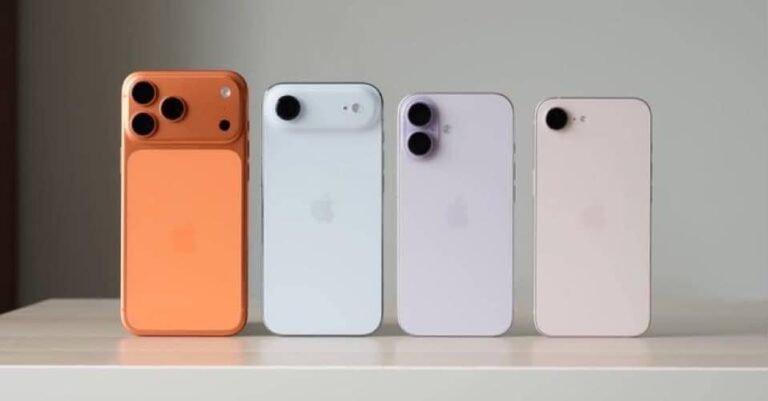
The iPhone 17 introduces a 120 Hz ProMotion display and Always-On technology to the standard models. Other updates include improved low-light camera performance, the A19 chip series, and doubled base storage of 256GB. A new ultra-thin iPhone Air model replaces the previous Plus version with different design trade-offs.
Upgrading is recommended for standard iPhone 16 owners seeking a smoother display or increased storage. Users prioritising telephoto photography may benefit from the 17 Pro upgrades. However, most iPhone 16 Pro owners might find the year-over-year changes incremental and should consider waiting for future generations to maximise value.
What Actually Changed
Display standard across the whole lineup. This is the single biggest shift for standard iPhone 16 owners specifically. The iPhone 16 lineup reserved 120Hz ProMotion and Always-On Display for the Pro models — the standard iPhone 16 was stuck at a 60Hz display. The iPhone 17 brings 120 Hz and Always-On to every model, including the base tier. If you own a standard iPhone 16 and have been wanting a smoother, always-visible display, this alone is a meaningful upgrade you can’t get by staying on your current phone.
Camera improvements. The iPhone 17’s dual-camera system brings genuinely improved low-light performance over the iPhone 16. If you own an iPhone 16 Pro already, the gap is smaller — you’re comparing 48MP triple-camera systems on both generations — but the 17 Pro’s telephoto lens jumping to 48MP with extended 8x optical zoom is a real upgrade if you shoot a lot of zoomed photography.
Chip performance. The A19 and A19 Pro chips offer a real but incremental improvement over the A18 series. Most everyday tasks won’t feel dramatically different; the gains show up more in sustained, demanding workloads — heavy gaming, video editing, intensive multitasking.
Starting storage. The standard iPhone 17 now starts at 256GB, doubling the entry-level storage compared to the iPhone 16’s 128GB starting point at the same price — a genuinely good value improvement if storage has ever felt tight on your current phone.
The iPhone Air is a new option, not a direct upgrade path. If you owned an iPhone 16 Plus and are looking at what replaced it, know that the Air isn’t simply a thinner Plus — it trades camera versatility and battery capacity for its ultra-thin design, so the upgrade decision there is less straightforward than a typical year-over-year comparison.
Who Should Upgrade
iPhone 16 (standard) owners who want a 120Hz display. This is the clearest case for upgrading — a display quality difference you’ll notice every single time you pick up your phone, something the iPhone 16 simply can’t deliver through a software update.
Anyone whose iPhone 16 storage is consistently tight. The jump to 256GB base storage on the iPhone 17 solves a real, ongoing annoyance rather than a one-time nice-to-have.
iPhone 16 Pro owners who shoot a lot of zoomed photography or video. The 17 Pro’s upgraded telephoto lens and vapour chamber cooling are meaningful if this describes your actual usage.
Who Should Wait
Most iPhone 16 Pro owners. If you already have a 120 Hz display, Always-On, and a capable triple-camera system, the year-over-year gains from the 16 Pro to the 17 Pro are real but incremental — a faster chip, a better telephoto lens, and improved sustained performance, not a transformative leap. Unless you specifically need the telephoto or cooling improvements, this is a reasonable generation to skip.
Anyone satisfied with their current iPhone 16’s performance and storage. If nothing about your current phone genuinely bothers you day-to-day, there’s no urgency here — the iPhone 17 will still be a strong buy whenever you do eventually upgrade.
Budget-conscious buyers. Trading in an iPhone 16 that’s only a year old typically returns a smaller trade-in credit than trading in an older device would relative to the cost of a brand-new phone, making the effective upgrade cost higher than it might first appear. If saving money matters more than having the newest model, waiting another cycle stretches your money further.
The Trade-In Math Worth Doing
Before deciding, actually check what your iPhone 16 is worth in trade-in credit right now, and compare that against the cost difference to upgrade. A one-year-old iPhone in good condition typically holds solid trade-in value, which can make the effective upgrade cost lower than the sticker price suggests — but it’s worth running the actual numbers for your specific model and condition rather than assuming.
Bottom Line
If you own a standard iPhone 16 and have been wanting a smoother display or more storage, the iPhone 17 delivers a genuinely noticeable upgrade. If you already own an iPhone 16 Pro, the case is weaker — this is a solid but incremental generation for Pro owners specifically, and skipping a cycle is a reasonable call unless the camera or performance improvements directly matter to how you use your phone.