Quick answer: The iPhone 18 Pro’s variable-aperture main camera can physically adjust how much light enters the lens. It should improve low-light shots, background blur, and creative control, but it will not automatically make every photo better.
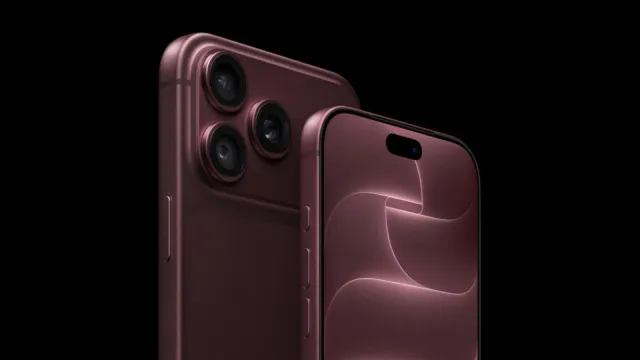
The iPhone 18 Pro and Pro Max introduce Apple’s first variable-aperture iPhone camera. Instead of using one fixed opening, the main lens can change its aperture depending on the light and the effect the photographer wants.
What is a camera aperture?
Aperture is the opening in a camera lens that controls how much light reaches the sensor. A wider aperture can help in low light and create stronger background blur. A narrower aperture can keep more of a scene in focus and help manage bright conditions.
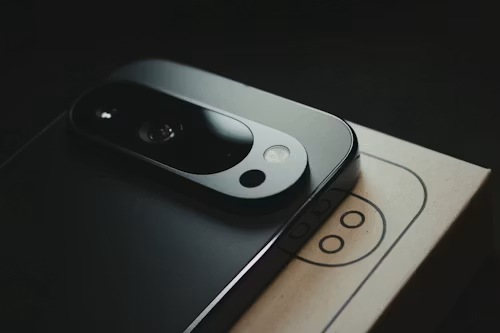
Most smartphone cameras use a fixed aperture and rely on software, shutter speed, and sensitivity to compensate. The iPhone 18 Pro adds a physical adjustment mechanism to its 48MP Fusion Main camera.
What changes on the iPhone 18 Pro?
Apple’s variable system can reportedly move through settings including f/1.48, f/1.8, f/2.8, and f/4.2.
The camera can use a wider setting when more light is needed and a narrower setting when the photographer wants more depth of field or control over the scene.
The benefits for everyday photos
Better low-light potential
A wider opening can allow more light to reach the sensor. That could reduce noise and help the camera preserve detail in darker scenes.
More natural background blur
A physical aperture can create optical depth-of-field effects that complement Apple’s computational portrait processing.
More creative control
The Camera app adds manual controls for aperture, shutter speed, white balance, and histogram monitoring, according to post-event reporting.
That makes the iPhone 18 Pro more appealing to photographers who want to influence the final image rather than rely entirely on automatic processing.
What it will not fix
A variable aperture will not automatically solve:
- Motion blur
- Poor composition
- Weak telephoto performance
- Overprocessed colours
- Low-quality digital zoom
- Video stabilisation limitations
The final result still depends on the sensor, lens quality, image processing, exposure, and the photographer.
Should you upgrade for the camera?
Upgrade if you:
- Photograph people, pets, or events in difficult light
- Want more manual camera controls
- Shoot portraits regularly
- Use your phone for serious photography or video
- Own an older iPhone Pro with a fixed-aperture camera
You may not need to upgrade if you mainly take daylight snapshots, use automatic mode, or already own the iPhone 17 Pro.
Final verdict
The variable-aperture camera is one of the iPhone 18 Pro’s most meaningful upgrades. It gives Apple’s computational photography a more flexible optical foundation, but the real difference will depend on independent testing in low light, portraits, and video.