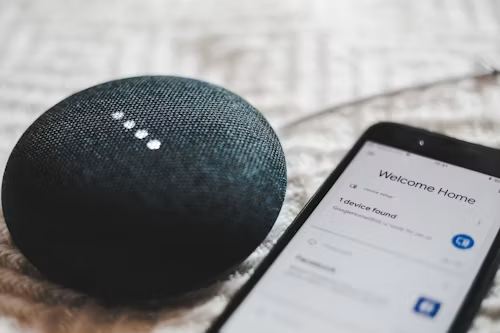
The Bottom Line Up Front: There is no single best smart home ecosystem for everyone. Apple HomeKit wins on privacy and ecosystem elegance. Google Home wins on AI intelligence and Android integration. Amazon Alexa wins on device compatibility and affordability. The right answer depends entirely on the phone in your pocket and the priorities in your life.
Apple HomeKit vs Google Home vs Amazon Alexa: Which Smart Home Ecosystem Is Best?
The Smart Home Ecosystem War Is Still Very Much Alive
Three years after the Matter standard was supposed to make ecosystem choice irrelevant, the reality in 2026 is more nuanced. Matter has genuinely helped — a smart bulb from one brand now works across all three platforms without workarounds — but the experience, intelligence, reliability, and integration depth of each ecosystem remain meaningfully different.
Choosing the wrong ecosystem is an expensive mistake. Smart home hardware accumulates quickly. Speakers, displays, thermostats, cameras, locks, bulbs, switches, and sensors represent hundreds or thousands of dollars in purchases that are deeply tied to whichever platform manages them. Switching ecosystems means either replacing hardware or managing two platforms simultaneously — neither of which is appealing.
This comparison is designed to help you make the right choice the first time.
Apple HomeKit: The Privacy-First Premium Experience
Who It Is Built For
Apple HomeKit is built for iPhone users who value privacy above convenience, seamless integration with Apple devices above broad hardware compatibility, and a polished, controlled experience above maximum flexibility.
What HomeKit Does Best
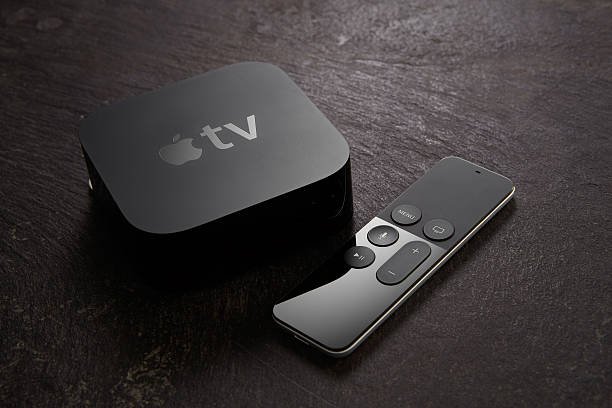
Privacy and security is HomeKit’s defining advantage and the reason security-conscious professionals, families with children, and privacy-aware users consistently choose it. HomeKit processes the vast majority of automations and device controls locally — on a HomePod, Apple TV, or iPad serving as a home hub — rather than routing commands through Apple’s servers.
This local processing means two things. First, your home activity data is not being analysed on remote servers. Second, HomeKit automations continue working during internet outages as long as the home hub has power. When the internet goes down, your Alexa and Google Home devices largely stop responding to commands. Your HomeKit setup keeps running.
Ecosystem integration with iPhone, Apple Watch, iPad, Mac, and Apple TV is the most seamless of any platform. Opening the Home app, triggering Siri commands through an Apple Watch, or using an iPhone as a digital key on a Schlage Encode Plus smart lock all feel effortlessly connected. Apple’s Continuity features mean your iPhone’s awareness of location and context flows naturally into HomeKit automations.
Apple Home Key—the digital key standard that lets you tap an iPhone or Apple Watch to unlock a compatible smart lock—is exclusive to Apple devices and represents one of the most practically elegant smart home experiences available.
Reliability in HomeKit has improved dramatically through 2025 and 2026. The rebuilt HomeKit architecture introduced in iOS 26 has resolved the connectivity and hub reliability issues that frustrated early adopters and generated negative press for years. HomeKit in mid-2026 is stable, fast, and dependable for most users.
What HomeKit Does Less Well
Device compatibility remains HomeKit’s most significant limitation. The HomeKit certification process is rigorous — which is partly why HomeKit devices tend to be reliable — but it results in a compatible device catalogue significantly smaller than Alexa’s or Google Home’s. Budget smart home products frequently support Alexa and Google Home while skipping HomeKit entirely.
Smart Display Experience is limited. Apple does not offer a dedicated smart display product. The HomePod mini serves as a capable audio hub, and the full-size HomePod delivers excellent audio, but neither has a screen. Users who want a smart display as their home control hub must use an iPad, which is more expensive than a dedicated smart display.
Android Users Need Not Apply. HomeKit requires an Apple device. Android users cannot participate in the HomeKit ecosystem in any meaningful way.
HomeKit Pricing Reality
HomePod (3rd generation): $299
HomePod mini: $99
Apple TV 4K (required as hub if no HomePod): $129
HomeKit-compatible devices tend to carry a slight price premium over equivalent Alexa or Google-compatible alternatives due to certification requirements.
Google Home: The AI-Powered Intelligent Choice
Who It Is Built For
Google Home is built for Android users, Google Workspace subscribers, and anyone who wants the most AI-capable smart home assistant available in 2026. If you want your home to think rather than simply respond, Google Home is the strongest platform.
What Google Home Does Best
Gemini AI integration is Google Home’s decisive 2026 advantage. The rebuilt Google Home platform, powered by Gemini AI, handles complex natural language requests with a sophistication that Alexa and Siri cannot match. “Turn on the lights in the living room but keep it dim because we’re watching a movie” is handled correctly and immediately. “Good morning routine but skip the bedroom lights because my partner is still sleeping” requires context- and understanding-ful context, which only Gemini consistently delivers.
The practical result is that Google Home automations feel genuinely intelligent rather than rule-following. The system learns patterns, anticipates needs, and suggests automations based on observed behaviour without requiring manual configuration.
Android integration is comprehensive and natural. Google Home works seamlessly with Android phones, Wear OS smartwatches, Chromebooks, and Android tablets. Location awareness, routine triggers based on phone context, and Cast integration with Android TV devices make the ecosystem feel genuinely connected for Android users.
Google Nest Devices—including the Nest Learning Thermostat, Nest Cam, Nest Doorbell, and Nest Hub displays—are designed specifically for the Google Home ecosystem and represent some of the most refined smart home hardware available. The Nest Hub Max smart display is the best smart display available for Google ecosystem users.
Search and Information Quality. When you ask Google Home a question, you get the quality of Google Search with the conversational interface of Gemini. The information accuracy and breadth of Google’s knowledge base powering voice queries is clearly superior to Alexa’s responses for complex factual questions.
Matter Hub Capabilities. Google Home serves as a capable Matter hub, managing a broad range of third-party devices alongside native Google and Nest hardware.
What Google Home Does Less Well
Privacy concerns are the most legitimate criticism of Google Home. Unlike HomeKit’s local-first processing, Google Home routes more activity through Google’s servers and uses smart home interaction data as part of Google’s broader data ecosystem. For users who are comfortable with Google’s data practices across Search, Gmail, and Android, this is an acceptable trade-off. For privacy-sensitive users, it is a meaningful concern.
Platform Consistency History. Google has a documented pattern of discontinuing products and services — Google Stadia, Google+, and Google Reader, among many others. Google Home has received inconsistent support historically, though the 2024-2026 rebuild represents a more serious commitment than previous iterations.
Smart Home App Stability. Despite the platform rebuild, some users report occasional reliability issues and automation inconsistencies that HomeKit’s more controlled environment avoids.
Google Home Pricing Reality
Google Nest Hub Max: $229
Google Nest Hub (2nd gen): $99
Google Nest Mini: $49
Google Nest Learning Thermostat: $279
Google’s hardware pricing is competitive, and its entry-level devices are genuinely affordable.
Amazon Alexa: The Compatible, Flexible, Affordable Choice
Who It Is Built For
Amazon Alexa is built for users who want maximum device compatibility, the lowest entry price, the most established third-party device ecosystem, and a smart home platform that works regardless of which smartphone they use.
What Alexa Does Best
Device compatibility is Alexa’s most decisive advantage. With over 100,000 compatible devices from thousands of manufacturers, Alexa works with virtually everything. Budget smart bulbs, specialist HVAC controllers, unusual appliances, older smart home hardware, niche automation devices — if any smart home device supports any ecosystem at all, it almost certainly supports Alexa.
This compatibility breadth matters most for users building smart homes from a mixture of budget and premium products, or those whose smart home includes specialist equipment that premium ecosystems do not support.
Accessibility and Affordability. Amazon Echo devices start at $29.99—the Echo Pop provides a capable voice assistant and Alexa hub at a price that makes equipping multiple rooms with voice control genuinely affordable. No other ecosystem provides this level of accessible entry.
Shopping and Amazon Integration. For Amazon Prime members—a significant proportion of smart home adopters—Alexa’s integration with Amazon shopping, Prime Video, Prime Music, and Amazon delivery tracking creates a convenience layer that competing ecosystems cannot replicate. Reordering household supplies by voice, tracking packages, and controlling Amazon Fire TV devices through a unified assistant delivers genuine daily value.
Alexa Plus — The 2026 AI Upgrade. Amazon’s 2026 subscription service Alexa Plus ($7.99/month additional) adds Gemini-level conversational AI capabilities to Alexa, addressing the most consistent criticism of Alexa’s AI quality gap versus Google. Alexa Plus handles complex multi-step requests, maintains conversational context, and generates more natural, intelligent responses than standard Alexa. The quality gap versus Google Home has narrowed substantially, though Google’s Gemini integration still leads in nuanced conversation handling.
Alexa Routines and Automation Breadth. Alexa’s automation system supports an extraordinary range of triggers, conditions, and actions across its vast compatible device ecosystem — providing flexibility that narrower ecosystems cannot match when specialist hardware is involved.
What Alexa Does Less Well
Privacy is Alexa’s most significant concern. Amazon’s business model includes using Alexa interaction data for advertising targeting — a reality that Amazon has acknowledged in its privacy documentation. The physical mute button on Echo devices provides a hardware-level microphone disconnect, but the commercial data use model is less private than HomeKit’s local processing approach.
AI Quality Without a Plus Subscription. Standard Alexa without the Plus subscription shows its age more clearly against Google Gemini’s conversational quality. Complex requests, nuanced instructions, and multi-step automations work less reliably without the AI upgrade.
Ecosystem Cohesion. Because Alexa’s strength is broad compatibility rather than deep integration, the experience of using Alexa across a diverse device set is less cohesive than HomeKit or Google Home’s more controlled hardware ecosystems. Devices from different manufacturers may behave differently, respond with different delays, and integrate with varying depth.
Alexa Pricing Reality
Amazon Echo Pop: $39.99
Amazon Echo (4th gen): $99.99
Amazon Echo Show 8: $149
Amazon Echo Show 15: $249
Alexa Plus subscription: $7.99/month additional
Direct Head-to-Head Comparison
| Category | Apple HomeKit | Google Home | Amazon Alexa |
|---|---|---|---|
| Privacy | Best in class | Moderate | Most concerns |
| AI Intelligence | Good (Siri) | Best (Gemini) | Good with Plus |
| Device Compatibility | Limited | Broad | Widest |
| Entry Price | $99 (HomePod mini) | $49 (Nest Mini) | $29.99 (Echo Pop) |
| Android Support | No | Native | Yes. |
| iPhone Support | Native | Yes. | Yes. |
| Local Processing | Strongest | Moderate | Limited |
| Smart Display | No native option | Nest Hub Max | Echo Show range |
| Matter Support | Yes. | Yes. | Yes. |
| Reliability (2026) | Excellent | Very Good | Very Good |
| Shopping Integration | Limited | Moderate | Excellent |
| Music Services | Apple Music is the best. | YouTube Music is the best. | Amazon Music is the best. |
The Honest Verdict: Which Should You Choose?
Choose Apple HomeKit If
You use an iPhone as your primary phone — preferably alongside an Apple Watch, AirPods, Mac, or iPad. You care deeply about privacy and want a smart home that processes as much as possible locally without your data contributing to advertising profiles. You are willing to pay a slight premium for hardware and want a refined, controlled experience over maximum flexibility. You have never owned smart home devices before and want to build correctly from the start.
Choose Google Home If
You use an Android phone or are deeply invested in Google’s services ecosystem — Gmail, Google Calendar, Google Drive, and Google Photos. You want the most AI-capable smart home assistant for complex automations and natural conversation. You watch a lot of YouTube or use Google TV devices. You want competitive hardware pricing alongside genuine intelligence. The idea of your smart home learning your patterns and becoming more useful over time appeals to you.
Choose Amazon Alexa if
You want the widest possible device compatibility across every budget level. You are a committed Amazon Prime member who values Amazon shopping, Prime Video, and Prime Music integration. You want to equip multiple rooms with voice control at the lowest possible cost. You have specialist smart home hardware that only Alexa supports. You use Android or iPhone and do not want your smart home ecosystem tied to either mobile platform.
The Matter Cave: Does It Change Everything?
Matter has made switching ecosystems easier and reduced the risk of buying devices that only work with one platform. A Matter-certified thermostat, bulb, or lock works with HomeKit, Google Home, and Alexa simultaneously — giving you flexibility to change primary ecosystem without replacing hardware.
But Matter does not eliminate ecosystem differences in AI quality, privacy approach, native hardware experience, or platform-specific features like Apple Home Key. Matter makes device purchasing safer. It does not make ecosystem choice irrelevant.
Our recommendation remains: choose your ecosystem based on your phone, your privacy preferences, and your AI expectations. Then buy Matter-certified devices wherever possible to protect your hardware investment from future ecosystem changes.
Final Recommendation
For most iPhone users: Apple HomeKit
For most Android users: Google Home
For budget-focused users and Amazon loyalists: Amazon Alexa
For users who want AI above everything else: Google Home
For users who want privacy above everything else: Apple HomeKit
No ecosystem is objectively superior in every category. Each wins for the user it was designed for. The best smart home ecosystem is the one that fits your phone, your priorities, and your budget — and in 2026, all three options are genuinely excellent at what they do best.
Ready to build a smarter home? Subscribe to the TechMuse newsletter for weekly smart home guides, deals, and the latest device reviews delivered directly to your inbox.
Sources and Disclaimer
Ecosystem specifications and feature information sourced from Apple.com, Google Home Help Center, Amazon Alexa developer documentation, and Connectivity Standards Alliance Matter documentation, current as of July 2026. Pricing reflects US retail pricing at the time of publication. Privacy assessment informed by each company’s published privacy policies and independent analysis from the Electronic Frontier Foundation and the International Association of Privacy Professionals.