
Best Android Phones to Buy in 2026
There is no single best Android phone for every buyer. A flagship may offer the strongest camera and processor, while a mid-range model can provide better value and longer practical battery life. The right choice depends on what you value most: camera consistency, gaming performance, software support, battery life, repairability, or price.
The models and regional configurations below should be checked against local availability before publication. Android hardware, chipsets, storage, warranty, and prices can vary by market.
Best Android phones by buyer type
| Category | Recommended direction | Why? |
|---|---|---|
| Best value | Google Pixel 10a | Strong everyday experience and long support at a lower price |
| Best premium all-rounder | Samsung Galaxy S26 Ultra | High-end display, cameras, performance, and productivity features |
| Best clean software and camera experience | Google Pixel 11 or Pixel 10 Pro, depending on the market | Google software and computational photography |
| Best battery life | OnePlus 15 | Very large battery and fast charging |
| Best foldable | Samsung Galaxy Z Fold 8 | Large screen and multitasking |
| Best repairability | Fairphone Gen. 6 | Replaceable parts and sustainability focus |
| Best lower-cost battery phone | Motorola Moto G Power (2026) | Large battery and affordable pricing |
Google Pixel: best for software and photography
Pixel phones remain attractive to buyers who value Google’s camera processing, clean Android presentation, and long software support. The Pixel 10a is the value-orientated choice, while Pro models add a more capable display and camera system.
The trade-off is that Tensor-powered Pixels are not always the best option for sustained gaming or heavy graphics workloads. Buy one for the overall software and camera experience rather than benchmark numbers alone.
Samsung Galaxy S26 Ultra: the best premium Android phone
The Galaxy S26 Ultra is the safer recommendation for buyers who want a high-end Android phone with a broad feature set. It targets users who care about a large display, high-end cameras, powerful performance, multitasking, and productivity tools.
Its drawbacks are size, price, and the possibility that some specifications or chipset variants differ by region. Check the exact model sold in your market before comparing benchmarks or network support.
OnePlus 15: best for battery-focused users
The OnePlus 15 is aimed at buyers who want long battery life and fast charging. A large battery can make a meaningful difference for travel, gaming, navigation, and heavy daily use.
The compromise may be camera consistency or a shorter support promise than Google and Samsung offer. Confirm the local charging standard, warranty, and update policy before purchasing an imported model.
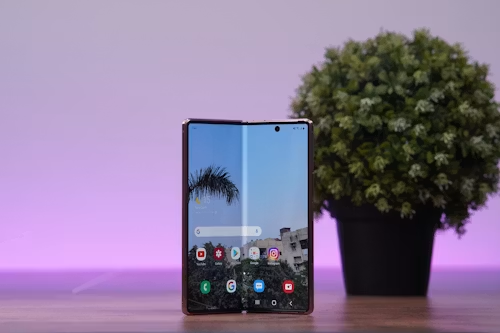
Samsung Galaxy Z Fold 8: best for multitasking
A foldable makes sense when the inner screen changes how you work. It can combine phone portability with a larger canvas for documents, email, multitasking, and media.
The price is much higher than a conventional flagship, and foldables have more complex moving hardware. Buyers should consider insurance, repair access, hinge durability, and warranty terms—not only screen size.
Fairphone Gen. 6: best for repairability
Fairphone’s appeal is long-term ownership. Replaceable parts and a repair-orientated design can reduce electronic waste and make certain repairs more practical.
Availability is a major consideration. It is not sold in every market, and buyers should confirm local parts, service, network compatibility, and software support.
How to choose
- Set a total budget, including case, charger, insurance, and taxes.
- Decide whether camera, gaming, battery, or software support matters most.
- Check the exact regional model and processor.
- Confirm update length and security-patch policy.
- Check repair and warranty support in your country.
- Avoid paying for a foldable unless you will use the larger screen.
Verdict
The Pixel 10a is the sensible value choice, the Galaxy S26 Ultra is the premium all-rounder, the OnePlus 15 is for battery-focused buyers, and the Galaxy Z Fold 8 is for people who genuinely need a larger multitasking display. No Android phone is universally best, and regional availability should be part of the buying decision.
Internal links: Samsung Galaxy Z Fold 8 review, Xiaomi 18 Fold review, Samsung Galaxy S27 coverage
Sources: PCMag Android phone guide; Wired Android phone guide